Ogenta is your daily companion for starting a new psychiatric medication — tracking how you feel, making sense of side effects, and giving you a clear picture to share with your doctor.
Ogenta
Psychiatric Medication Companion
👤
Tell us a little about yourself
This helps us personalize your experience. Your check-ins and notes stay on this device unless you choose to submit a form or use AI Support.
Ogenta
Psychiatric Medication Companion
💭
What are you most worried about?
Select everything that applies. This helps Ogenta give you more relevant support.
Ogenta
Psychiatric Medication Companion
🔔
Set your daily check-in time
We'll remind you to log how you're feeling each day. Consistency is everything.
Ogenta
Psychiatric Medication Companion
⚠️
Before we begin — important note
Ogenta is not a medical device and does not provide medical advice.
This app is a personal tracking and wellness companion only. It is not a substitute for professional psychiatric care, therapy, or medical diagnosis.
In a crisis or emergency: Call 988 (Suicide & Crisis Lifeline) or go to your nearest emergency room.
By continuing, you agree to our Terms of Service and Privacy Policy.
Ogenta
⚓ Day 12 of your journey
How are you feeling today?
Ogenta helps you track your psychiatric medication journey, understand your symptoms, and stay grounded — one day at a time.
🔔
Daily check-in reminder set for 8:00 PM
You've checked in 5 days in a row. Keep the streak going!
12
Days Tracked
🔥 5
Day Streak
↗️
Mood Trend
Current Medication
Sertraline 50mg · Day 12
Week 1–2: AdjustmentWeek 6: Reassess
You're in the early adjustment window. Side effects are common now. Stay in touch with your prescriber.
💡
Did you know? Most antidepressants take 4–6 weeks to show full effect. Early side effects don't predict whether the medication will work for you.
How are you really feeling? Anything on your mind?
🚨
High severity detected. If you feel unsafe, have thoughts of self-harm, or are experiencing chest pain — call 988 or contact your prescriber now.
✓
Check-in saved.
You showed up for yourself today. That matters.
AI Support
ℹ️
Ogenta helps you process symptoms and feelings. It is not a substitute for medical advice. For emergencies, call 988 or your doctor. AI Support messages are sent through Ogenta's server to generate a reply.
Ogenta — AI Support Companion
Here for you, anytime · Ogenta
Hi — I'm your Ogenta medication support companion. 🌊
I'm here to help you make sense of what you're feeling, understand side effects, and work through anxiety about your medication journey.
What's on your mind today?
Now
Wellness Tools
🌿
Watch a guided video, or tap any written guide below. These tools work best practiced regularly — even 5 minutes makes a difference.
Video Library
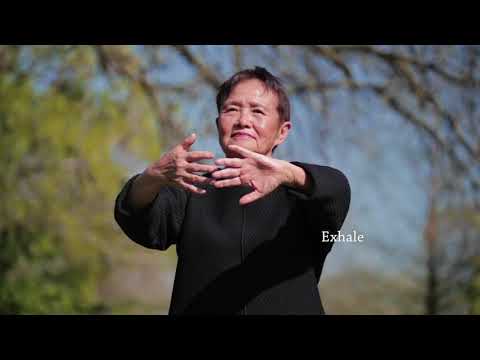
🌀 QigongMovement & energy flow
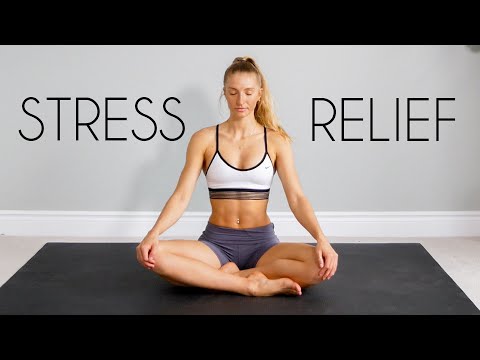
🧘 MeditationCalm mind & body
🫁 BreathingNervous system reset
👐 EFT TappingRelease emotional charge
🌙 SleepWind down & rest
🧘♀️ YogaMove through it
▶
Qigong Flow for Beginners · YOQI
30 min · Purge, Tonify & Circulate
▶
Qigong to Get Grounded · YOQI
12 min · Five Elements Practice
▶
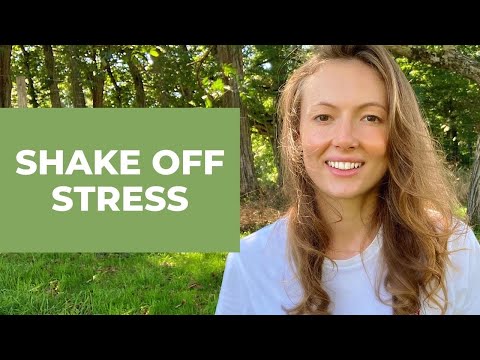
Qigong for Anxiety & Stress · Qigong with Kseny
20 min · Calming nervous system
▶
Morning Energy Qigong · Daily Practice
15 min · Traditional Ba Duan Jin
About Qigong
Qigong combines slow movement, breath, and intention to calm the nervous system. Studies show it reduces cortisol and eases anxiety — especially useful during any medication transition when your body is adjusting.
▶
5-Minute Meditation for Anxiety · Goodful
5 min · Perfect for beginners
▶
Body Scan Meditation · Great Meditation
10 min · For side effect discomfort
▶
Meditation for Depression & Anxiety
15 min · Guided mindfulness
▶
Sleep Meditation for Anxiety · Michael Sealey
30 min · For medication-related insomnia
About Meditation
Guided meditation — especially body scan — helps you observe physical sensations without panicking about them. Particularly valuable when medication side effects make your body feel unfamiliar.
▶
Box Breathing Technique · Navy SEAL Method
4 min · Immediate anxiety relief
▶
Diaphragmatic Breathing Exercise
5 min · Activates parasympathetic system
▶
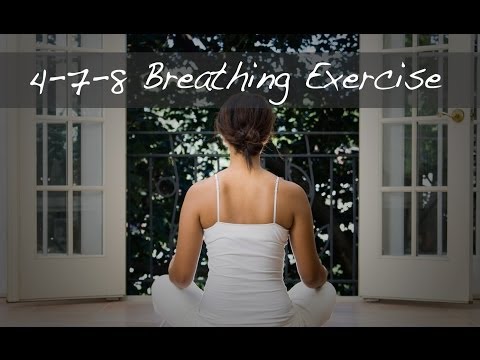
4-7-8 Breathing Technique · Dr. Andrew Weil
3 min · Natural tranquilizer for the nervous system
▶
Breathing for Anxiety & Panic Attacks
10 min · Crisis support tool
About Breathwork
Controlled breathing activates your parasympathetic nervous system within minutes. Box breathing and extended exhale techniques can reduce a racing heart and interrupt a panic response almost immediately.
▶
EFT Tapping for Anxiety · The Tapping Solution
10 min · Beginner-friendly
▶
EFT Tapping for Depression & Hopelessness
15 min · For medication adjustment period
▶
Learn EFT Tapping Points · Guided Tutorial
8 min · Learn the basics
▶
EFT for Fear & Side Effect Panic
12 min · When symptoms feel scary
About EFT Tapping
EFT uses acupressure tapping on meridian points while focusing on a fear or emotion. Research shows it reduces cortisol and can quickly lower anxiety and side effect panic — often in a single session.
▶
Sleep Meditation for Insomnia · Goodful
20 min · Gentle voice-guided
▶
4-7-8 Breathing for Sleep · Dr. Andrew Weil
5 min · Classic sleep technique
▶
Yoga Nidra for Deep Sleep · Ally Boothroyd
30 min · Full body relaxation
▶
PMR for Sleep · Anxiety Relief
15 min · Tense and release for rest
About Sleep
Many psychiatric medications disrupt sleep during the adjustment period — especially SSRIs, which can cause vivid dreams, insomnia, or excessive drowsiness. These practices help calm your nervous system before bed and improve sleep quality without medication.
▶
Yoga for Anxiety & Stress · Adriene
30 min · Beginner-friendly
▶
Gentle Yoga for Depression · Yoga with Bird
20 min · Low energy days
▶
Yoga for Restlessness & Agitation · Adriene
25 min · For akathisia & tension
▶
Morning Yoga for Mental Health · Yoga with Adriene
20 min · Start the day grounded
About Yoga
Yoga combines movement, breath, and body awareness — all of which are directly relevant when navigating psychiatric medication. Regular practice reduces anxiety, improves mood, and helps you feel at home in a body that may feel unfamiliar right now.
Written Guides & Tools
Tap any to open step-by-step instructions
🫁
Box Breathing
4-4-4-4 calm reset
👐
EFT Tapping
Release emotional charge
🌀
Qigong Guide
5-min movement reset
🧘
Body Scan
5-min guided meditation
🌱
Grounding
5-4-3-2-1 anxiety reset
💪
Muscle Relaxation
Release body tension
📝
Journal Prompts
Guided reflection
💧
Cold Water Reset
Instant calm response
My Notes
📝
Keep a private log of thoughts, side effects, and observations. Share these with your doctor at appointments.
Your Journey
Share With Your Doctor
Generate a clean 30-day summary for your next appointment
Doctor Report
Insurance & Documentation
📋
Use your records to get covered care
Ogenta is free to use — but the records you build here are valuable. Generate proof-of-treatment packets to file insurance reimbursement claims, request workplace accommodations, or coordinate care with your prescriber.
What This Is For
🧾
Insurance Reimbursement
Submit medication adherence records when filing claims for psychiatric care, therapy sessions, or out-of-network providers.
💼
Workplace Accommodations
Document your treatment for FMLA leave, ADA accommodations, or return-to-work plans during a med change.
👩⚕️
Prescriber Coordination
Send your check-in history and side-effect log directly to your psychiatrist's office between appointments.
Also available: documentation packets for disability applications (SSDI, LTD, private plans) and court or legal proceedings — select the option in the form below.
Why Insurers Should Cover This
Daily tracking is preventative care. Catching a side effect or warning sign in week two — instead of week eight — often heads off the kind of medication crisis that ends in an ER visit or hospitalization. That's better for you, and significantly cheaper for your plan.
💊
Better Adherence
Patients using daily tracking tools are significantly more likely to stay on their medication plan.
🏥
Fewer ER Visits
Early side-effect detection reduces medication crises and unplanned psychiatric hospitalizations.
🤝
Faster Stabilization
Structured records help prescribers find the right dose faster — fewer wasted months on the wrong medication.
Request a Documentation Packet
Tell us what you need and where it's going. We'll email you a formatted packet within 2 business days.
Add Medication
💡
Tip: Take a photo of your prescription label and keep it in your Notes for easy reference.
New Note
Note
🫁 Box Breathing
Activates your parasympathetic nervous system. Particularly effective during medication-related anxiety spikes.
Ready
—
👐 EFT Tapping
Tap each point 5–7 times while saying the phrase. Rate anxiety 0–10 before and after. Or try a video in the Wellness tab.
1
Karate chop: "Even though I feel anxious about this medication, I deeply accept myself."
2
Top of head: "This anxiety about my medication."
3
Eyebrow: "I feel so unsure right now."
4
Side of eye: "These side effects feel overwhelming."
5
Under eye: "I'm scared this won't work for me."
6
Under nose: "What if I never find the right medication?"
7
Chin: "I choose to trust the process."
8
Collarbone: "I'm doing something brave by trying."
9
Under arm: "I am safe right now."
10
Top of head: "I'm open to feeling better."
🌀 Qigong Flow
5 minutes to move stuck energy, calm the nervous system, and reconnect with your body. Or watch one of the guided videos in the Wellness tab.
Shake it out (1 min): Gently bounce your knees. Let arms hang loose and vibrate. Releases tension from muscles and fascia.
3
Lifting the sky (1 min): Inhale, raise arms overhead slowly. Exhale, lower. Repeat 6 times. Let your chest open.
4
Cloud hands (1 min): Slowly rotate arms in large circles at chest height, as if moving through water.
5
Close (1 min): Hands on lower belly. Inhale 4 counts, exhale 6. Feel warmth gathering beneath your palms.
🧘 5-Min Body Scan
Helpful when side effects cause physical discomfort. Teaches you to observe sensations without panic. Or watch guided videos in the Wellness tab.
1
Sit or lie comfortably. Close your eyes. Three slow breaths to arrive.
2
Bring attention to your feet. Notice warmth, pressure, tingling. Just observe — don't change anything.
3
Move slowly upward: calves, knees, thighs. Breathe into tension. Let it soften on the exhale.
4
Continue: belly, chest, shoulders. When you notice side effect sensations, say silently: "I notice this. It will pass."
5
Arms, neck, face. Let your jaw unclench. Soften the space between your eyes.
6
Three final deep breaths. Open your eyes slowly. You've returned to your body.
🌱 5-4-3-2-1 Grounding
Anchors you to the present moment instantly — especially useful when side effects or anxiety make you feel unmoored.
5
See: Name 5 things you can see right now. Look around slowly.
4
Touch: Notice 4 things you can physically feel — the chair, your feet on the floor, your clothes.
3
Hear: Identify 3 sounds around you. Traffic, your breath, a hum.
2
Smell: Notice 2 things you can smell. If nothing, recall a scent you love.
1
Taste: Notice 1 thing you can taste. Take a sip of water if needed.
Each round takes about 90 seconds. Repeat as needed.
💪 Progressive Muscle Relaxation
Systematically tense and release muscle groups to dissolve physical tension from anxiety, restlessness, or side effects.
1
Feet: Curl toes tightly for 5 seconds. Release. Feel the warmth.
2
Calves: Flex calf muscles for 5 seconds. Release slowly.
3
Thighs: Squeeze thighs together for 5 seconds. Let go.
4
Stomach: Tighten your abdomen for 5 seconds. Release completely.
5
Hands: Make tight fists for 5 seconds. Open and spread fingers wide.
6
Shoulders: Shrug to your ears for 5 seconds. Drop completely.
7
Face: Scrunch your entire face for 5 seconds. Relax everything.
8
Full body: Take 3 slow deep breaths. Notice the warmth and heaviness.
📝 Journal Prompts
Writing about your experience helps you process what's happening and notice patterns. Try just one prompt — even a few sentences.
1
What felt different in my body today compared to yesterday?
2
What am I most afraid of about this medication right now? Is that fear based on something real?
3
Was there a moment today — even brief — where I felt okay? What was happening?
4
What do I wish my doctor knew about how I'm feeling right now?
5
If a friend was going through exactly what I'm going through, what would I tell them?
6
What's one small thing I can do today to take care of myself?
7
What would "feeling better" actually look and feel like for me?
💧 Cold Water Reset
Cold water on your face triggers the mammalian dive reflex — your heart rate slows involuntarily within seconds. One of the fastest ways to interrupt panic.
1
Hold your breath and splash cold water on your face — forehead, cheeks, around the eyes. Or submerge your face in a bowl of cold water.
2
Stay with it for 15–30 seconds. The dive reflex needs a moment to activate.
3
Lift your head and breathe slowly. Notice your heart rate has dropped.
4
Repeat if needed. Each round takes under a minute.
💡 Keep a cold pack in the freezer — holding it on your face or wrists works too.
 Ogenta